
Ready to take control of your health? Try our AI-powered diagnosis today!
Experience Doctor AI: Instantly Diagnose Your Health—Try the App Now!
Vitamin D is an essential nutrient that plays a vital role in the body. It is mainly produced in the skin when exposed to sunlight, but can also be obtained through certain foods and supplements.

Functions of Vitamin D
- Promotes Calcium Absorption: Vitamin D helps the body absorb calcium and phosphorus, which is essential for building and maintaining strong bones.
- Strengthens the Immune System: It boosts the function of the immune system, increasing the body’s resistance to infections and diseases.
- Maintains Muscle Function: Vitamin D helps maintain and improve muscle function.
- Reduces Inflammation and Regulates Cell Growth: It plays a role in reducing inflammatory responses and regulating cell growth and differentiation.
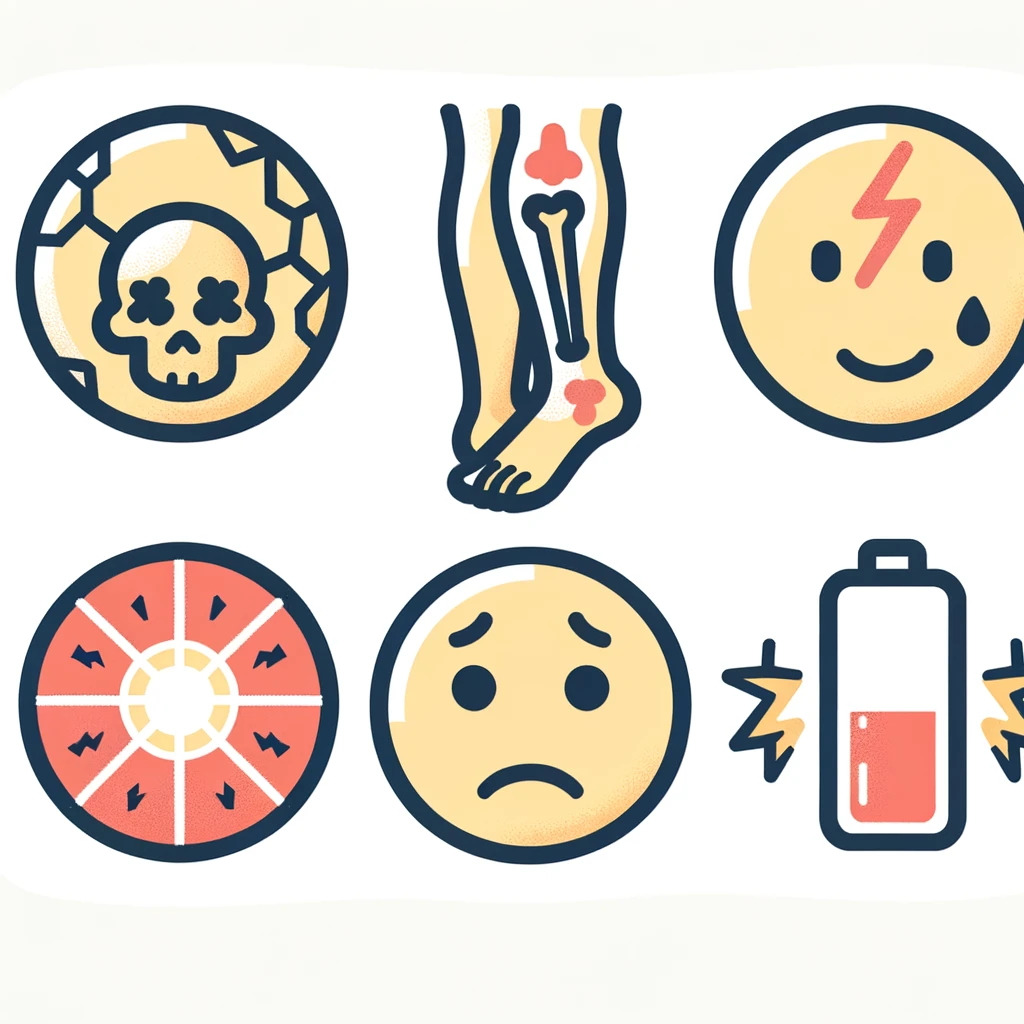
Symptoms of Vitamin D Deficiency
- Osteoporosis and Osteomalacia: Poor absorption of calcium due to lack of vitamin D can cause bones to become weak.
- Muscle Weakness and Pain: Weakness and pain may occur, especially in the muscles of the legs and lower back.
- Weakened Immune System: You may become more susceptible to infections.
- Depression and Mood Changes: Some studies suggest a link between vitamin D deficiency and mood disorders.
- Fatigue and Low Energy: You may experience persistent fatigue and a lack of energy.

Foods Containing Vitamin D
- Fatty fish: Salmon, mackerel, tuna, and sardines are rich sources of vitamin D.
- Fortified foods: Some milk, orange juice, and cereals are fortified with extra vitamin D.
- Egg yolk: Contains small amounts of vitamin D.
- Mushrooms: Especially mushrooms exposed to ultraviolet light contain vitamin D.
- Vitamin D supplements: Supplements can be used if you do not get enough sun exposure.
Vitamin D deficiency can result from lack of sun exposure, certain medical conditions, age, or dietary habits. It is important to have your vitamin D levels checked regularly, maintain a balanced diet, and get appropriate sunlight. If necessary, consult your doctor about taking supplements.