Ready to take control of your health? Try our AI-powered diagnosis today!
Experience Doctor AI: Instantly Diagnose Your Health—Try the App Now!
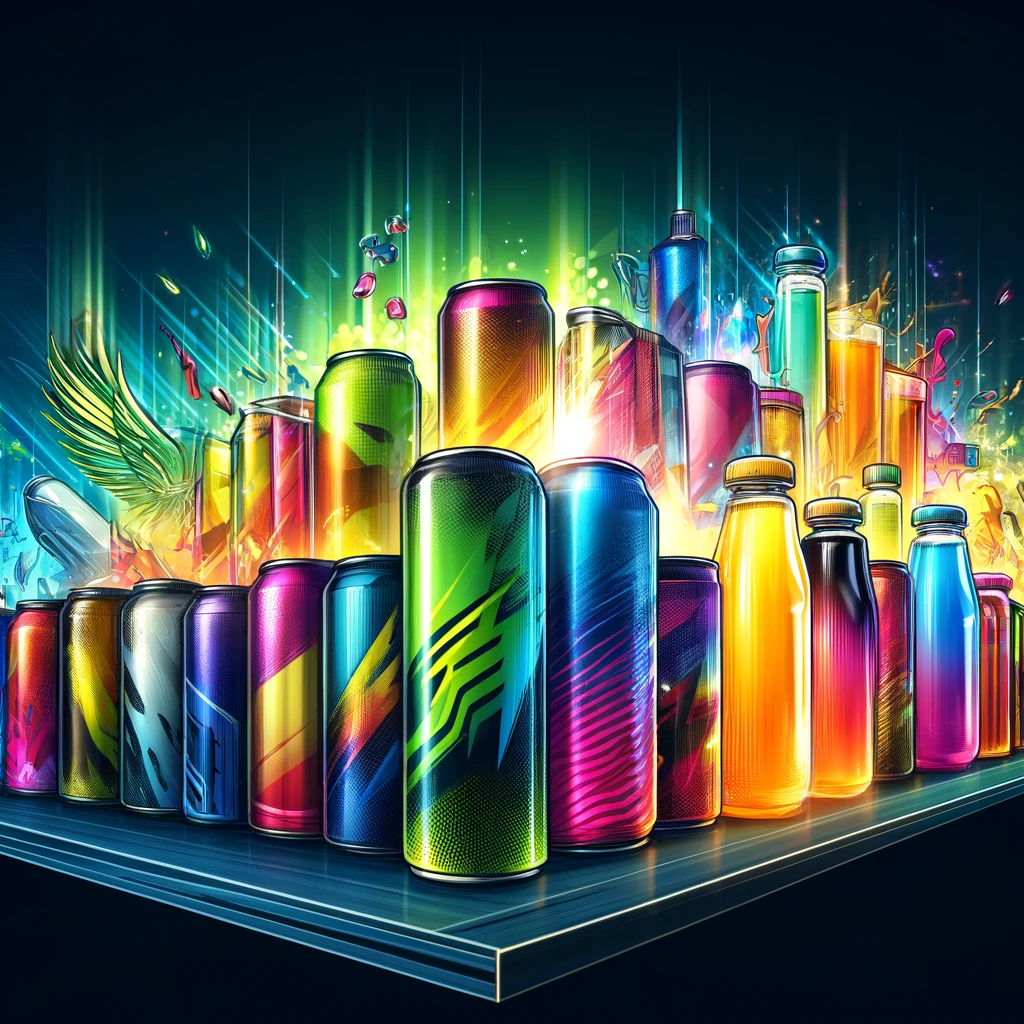
Energy drinks are beverages designed to provide a burst of energy and enhance focus. These drinks contain a variety of ingredients, and depending on the product, often include high amounts of sugar and artificial additives.
Main Ingredients
- Caffeine: The most common primary ingredient, with energy drinks usually containing between 80mg and 300mg of caffeine. Caffeine stimulates the central nervous system, increasing alertness and concentration and helping to reduce fatigue.
- Taurine: A type of amino acid involved in various metabolic processes in the body. Taurine supports heart function and muscle contraction and can boost energy levels when combined with caffeine.
- B Vitamins: Promote energy metabolism, help recover from fatigue, and support the nervous system. Commonly included are vitamins B1, B2, B3, B6, and B12.
- Guarana: A plant from the Amazon that contains caffeine. The caffeine in guarana is released slowly in the body, providing sustained energy.
- Ginseng: A traditional medicinal herb that may help improve stamina and bolster the immune system.
- Glucuronolactone (GDL): An ingredient derived from glucose, known to stimulate energy production in the body.
Benefits
- Increased energy: The main ingredients rapidly boost energy levels, making these drinks especially effective when feeling physically or mentally fatigued.
- Enhanced focus: The combination of caffeine and taurine improves concentration.
- Improved endurance: Particularly helpful for athletes or people who need to be physically active for extended periods.
- Accelerated metabolism: Thanks to the B vitamins, these drinks help speed up the body's energy metabolism.
Side Effects of Overconsumption & Long-Term Use
- Cardiovascular issues: Energy drinks can raise both heart rate and blood pressure. Consistent overconsumption increases the risk of heart disease and may even trigger heart attacks.
- Sleep disturbances: Caffeine can interfere with sleep, and consuming energy drinks in the evening or before bed may lead to insomnia. Long-term sleep deprivation negatively impacts health.
- Mental health problems: Excessive intake of energy drinks can heighten anxiety, nervousness, and stress. Some individuals may also experience restlessness and irritability.
- Digestive issues: High concentrations of caffeine and sugar can disrupt the stomach and may lead to problems like excess stomach acid.
- Nutritional imbalance: Relying on energy drinks instead of nutritious meals can result in deficiencies of essential nutrients.
- Increased risk of diabetes and obesity: Frequent consumption of high-calorie energy drinks can cause weight gain and insulin resistance, raising the risk of type 2 diabetes.
- Dependence and withdrawal symptoms: You may develop a dependency on caffeine, and suddenly stopping consumption can result in withdrawal symptoms like headaches, fatigue, and low mood.
It's important to limit your intake of energy drinks and, when possible, choose healthier alternatives (such as water, herbal teas, or natural fermented beverages). If you find yourself needing energy drinks often, it may be necessary to make lifestyle changes, so consulting a professional is recommended.