Ready to take control of your health? Try our AI-powered diagnosis today!
Experience Doctor AI: Instantly Diagnose Your Health—Try the App Now!
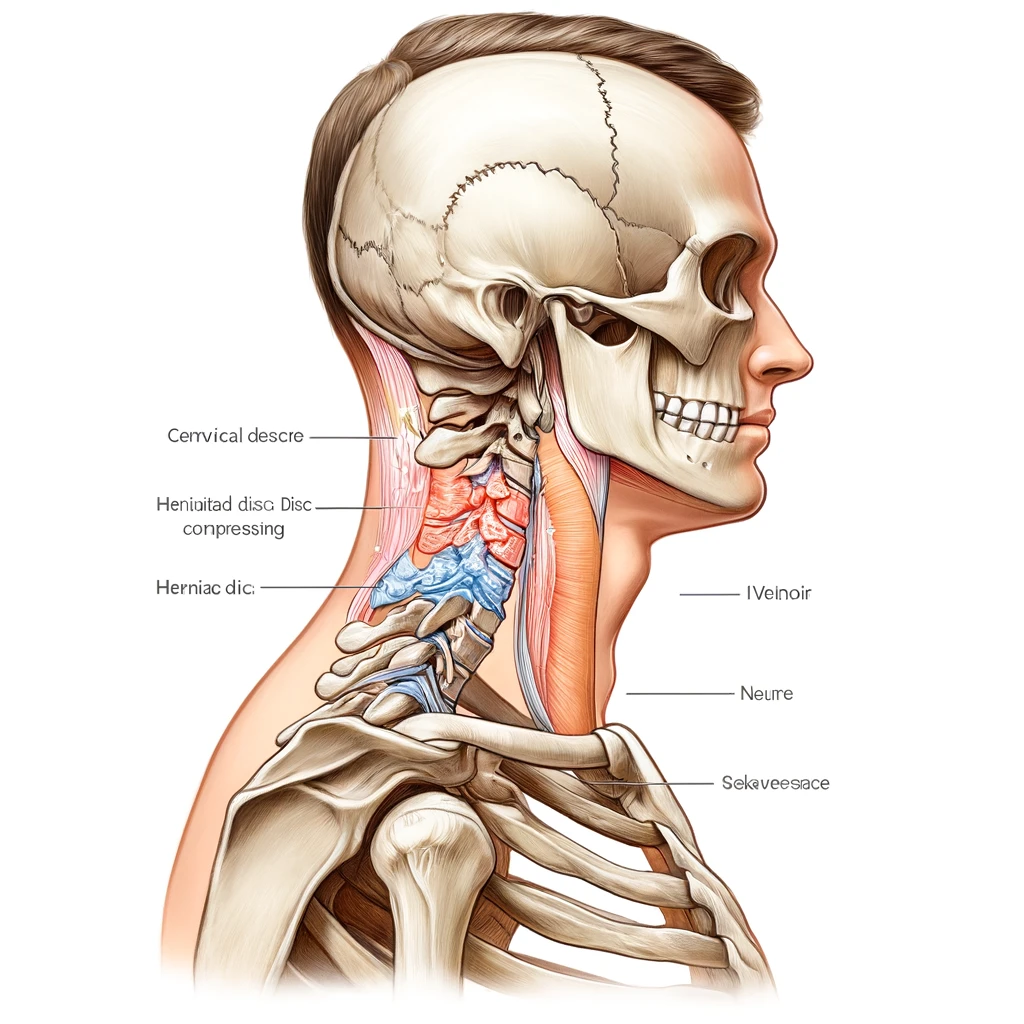
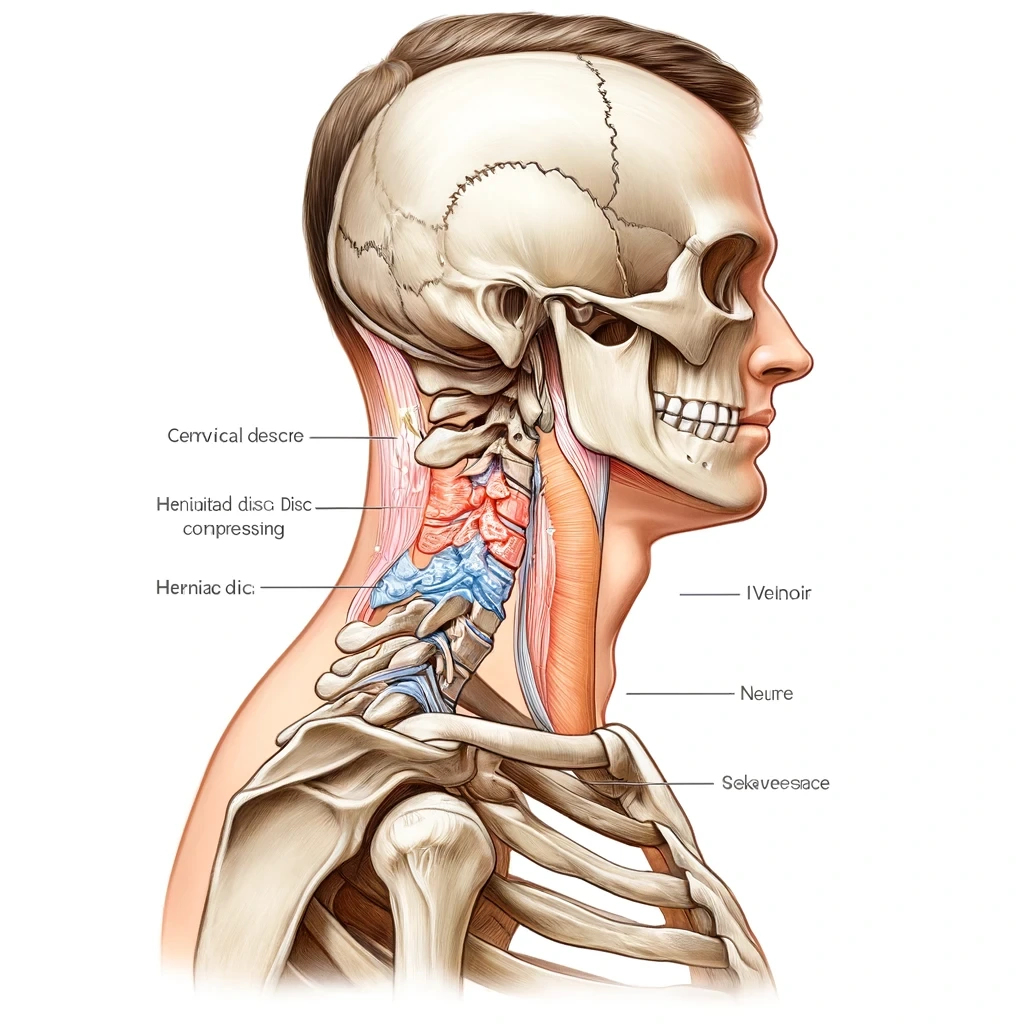
The neck disc, along with the lower back, is one of the most common types of herniated discs!
As sedentary lifestyles have become common and many jobs require people to sit for long hours, the number of people suffering from cervical (neck) discs has increased significantly. That’s why today, we’ll take a look at 3 habits that can cause neck disc problems and discuss how to avoid them.
A cervical disc, or herniated disc of the neck, occurs when the intervertebral discs in the cervical spine (neck bones) become weakened or damaged, pressing on nearby nerve roots or the spinal cord. The symptoms you may experience include:
- Neck pain: One of the most common symptoms of a neck disc problem is stiffness and pain in the neck area, which can sometimes become acutely severe. The pain may start in the neck and radiate to the shoulders or arms.
- Pain and tingling in the arms: Nerve compression from a cervical disc can cause pain, numbness, or tingling sensations that travel down the arm, hand, or fingers. This often appears alongside neck pain, but can also occur independently.
- Muscle weakness: The muscles controlled by the affected nerves may become weaker or lose fine motor skills. This can make it harder to control delicate movements in the hands or arms.
- Headache: Sometimes, neck disc problems can cause pain to spread toward the back of the head, leading to headaches. These are more common when your neck is very tense or stiff.
- Sensory changes: You might also experience abnormal sensations in your arms or hands, such as feeling cold or a burning sensation.
To relieve these symptoms and prevent neck disc issues, it’s important to break bad habits.
1. Poor posture for prolonged periods
Many people stick their neck forward when using a computer or mobile device. This posture puts excess pressure on the cervical vertebrae and causes tension in your neck muscles and ligaments. Keeping this position for too long can lead to neck and shoulder pain.
Solution: Adjust your workspace so that your monitor is at eye level, and try to hold your smartphone up to eye level whenever possible. Additionally, take short breaks every few hours to stretch your neck and shoulders.
2. Stress and tension
Stress is a major cause of unconscious tension in the neck and shoulder muscles. This tension can cause muscle spasms, pain, stiffness, and limit your neck's range of motion.
Solution: Managing stress is vital for neck health. Regular exercise, meditation, and adequate sleep can help reduce stress. Getting a professional massage to relax tense muscles can also be very effective.
3. Prolonged driving or sitting without proper support
Many people use chairs that don’t properly support their neck and back when driving or sitting at a desk for long periods. This leads to continuous strain on the neck muscles, eventually causing pain or other issues.
Solution: Adjust your chair and car seat so that your neck and lower back are properly supported. Don’t stay in one position for too long—make a habit of changing your posture frequently.
While these habits and solutions might seem obvious, the reason they come up so often is that it’s truly challenging to break old habits and maintain new, healthy ones consistently.
The neck is a crucial part of our body and must be protected from several everyday bad habits. By following the solutions mentioned above and avoiding habits that cause neck discs, you can greatly increase your quality of life.