Ready to take control of your health? Try our AI-powered diagnosis today!
Experience Doctor AI: Instantly Diagnose Your Health—Try the App Now!
Hello there ^^
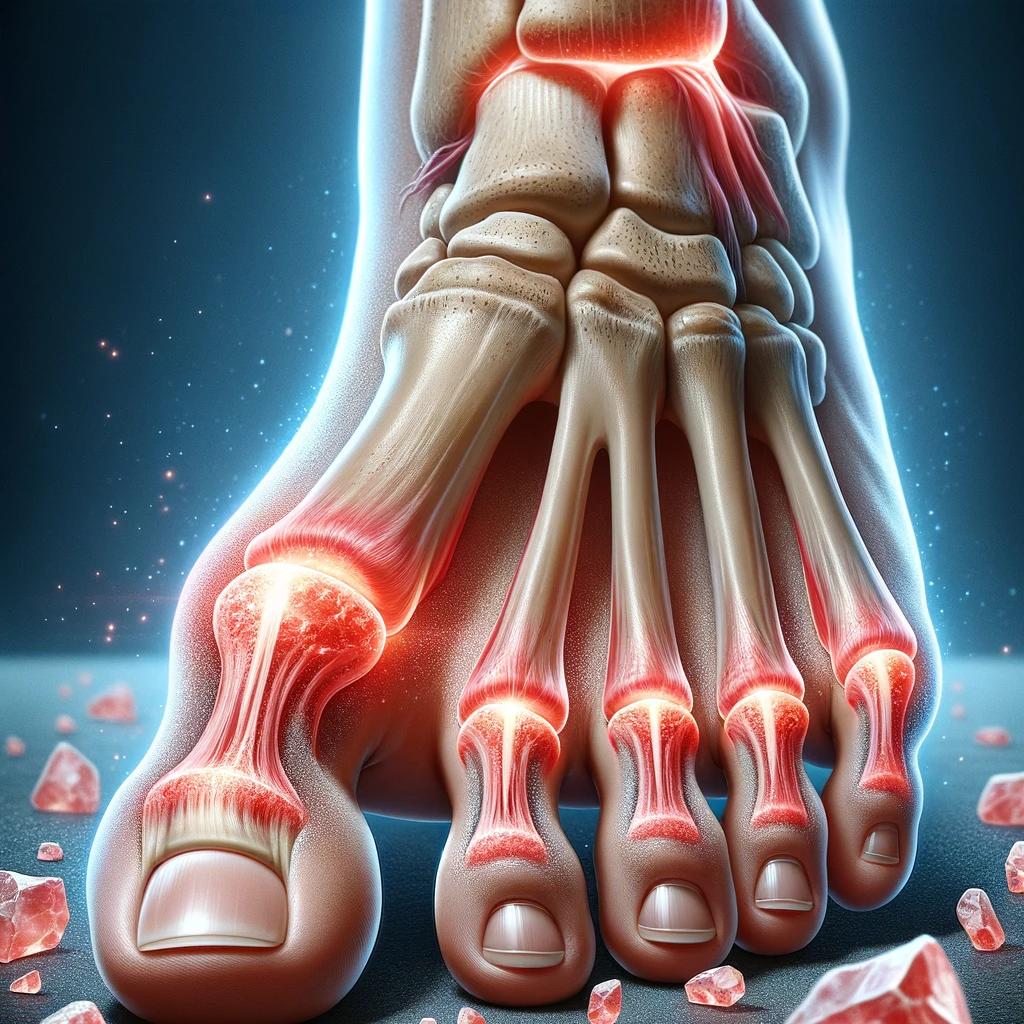
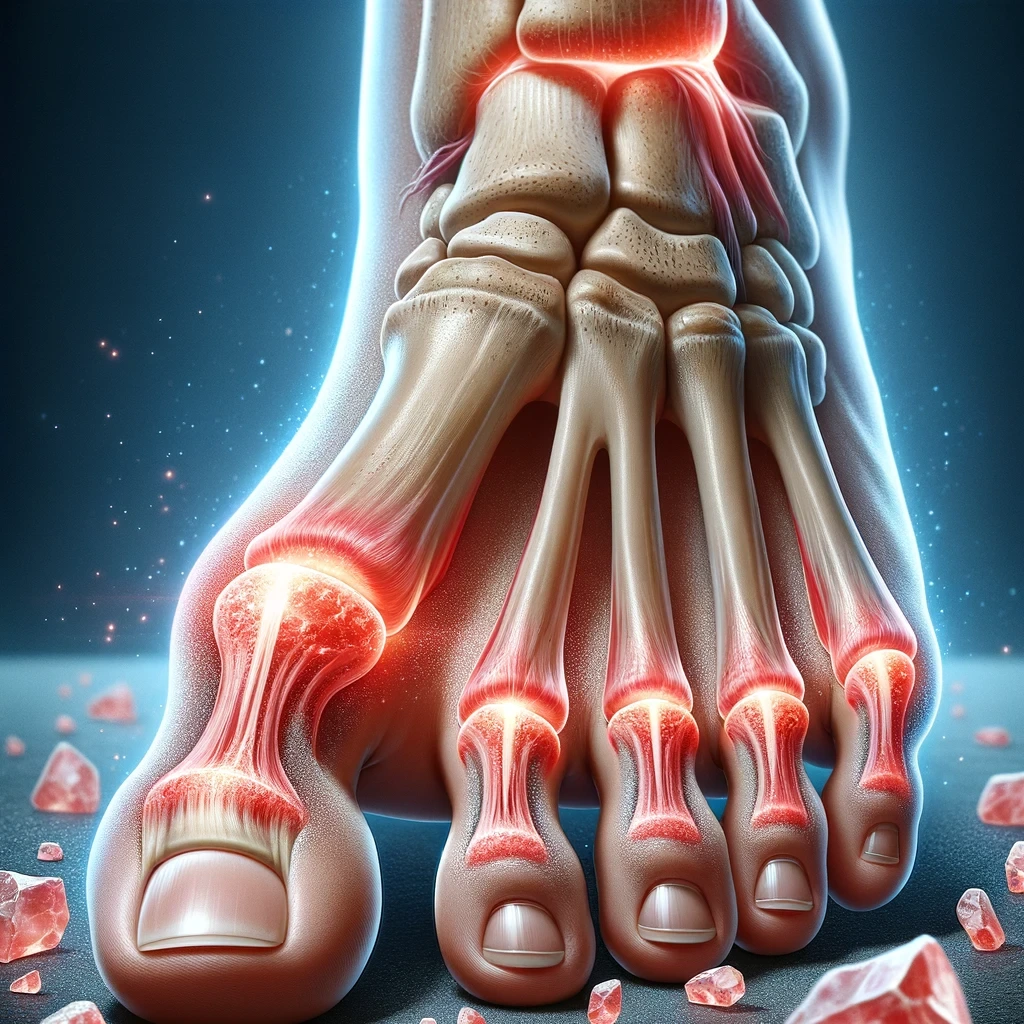
Gout is a painful condition caused by the buildup of uric acid crystals in the joints, leading to inflammation. It occurs most commonly in men and, if not properly managed, can cause severe pain and disability.
Main Symptoms of Gout
Gout is characterized by several distinct symptoms:
- Sudden Joint Pain: The most common symptom of gout is sudden and severe pain, usually starting in the big toe but possibly spreading to other joints.
- Swelling and Redness: The affected joint may become swollen, red, and warm to the touch.
- Persistent Discomfort: Even after the acute pain subsides, some lingering discomfort can remain in the joint.
- Restricted Range of Motion: Joint movement can become limited due to pain and inflammation.
Causes of Gout
Gout is mainly caused by the following factors:
- Hyperuricemia: Uric acid forms during the breakdown of a compound called purine, which is found in certain foods and within our own cells. When purines are broken down, uric acid levels can rise.
- Diet: Diets rich in meat, seafood, and fructose can increase uric acid levels in the blood.
- Obesity: Being overweight can lead to more uric acid production and decreased elimination, leading to higher uric acid levels.
- Medical Conditions: High blood pressure, diabetes, metabolic syndrome, and heart or kidney diseases can increase the risk of developing gout.
- Medications: Some drugs, particularly diuretics and aspirin, may raise uric acid levels.
- Genetic Factors: A family history of gout raises the likelihood of developing the condition.
Gout Management and Treatment
Gout can be effectively controlled with proper management and treatment. Here are some essential strategies to help manage gout:
- Dietary Modifications: Follow a low-purine diet to help reduce uric acid levels.
- Weight Management: Maintaining a healthy weight helps control uric acid levels.
- Stay Hydrated: Drinking plenty of fluids can help prevent uric acid crystals from building up in the joints.
- Proper Medication Use: Take anti-inflammatory or uric acid–lowering medications as prescribed by your doctor.
With good management, the pain and discomfort of gout can be greatly reduced. Be sure to consult with your healthcare provider to develop a plan that best fits your individual needs.