Ready to take control of your health? Try our AI-powered diagnosis today!
Experience Doctor AI: Instantly Diagnose Your Health—Try the App Now!
Hello^^
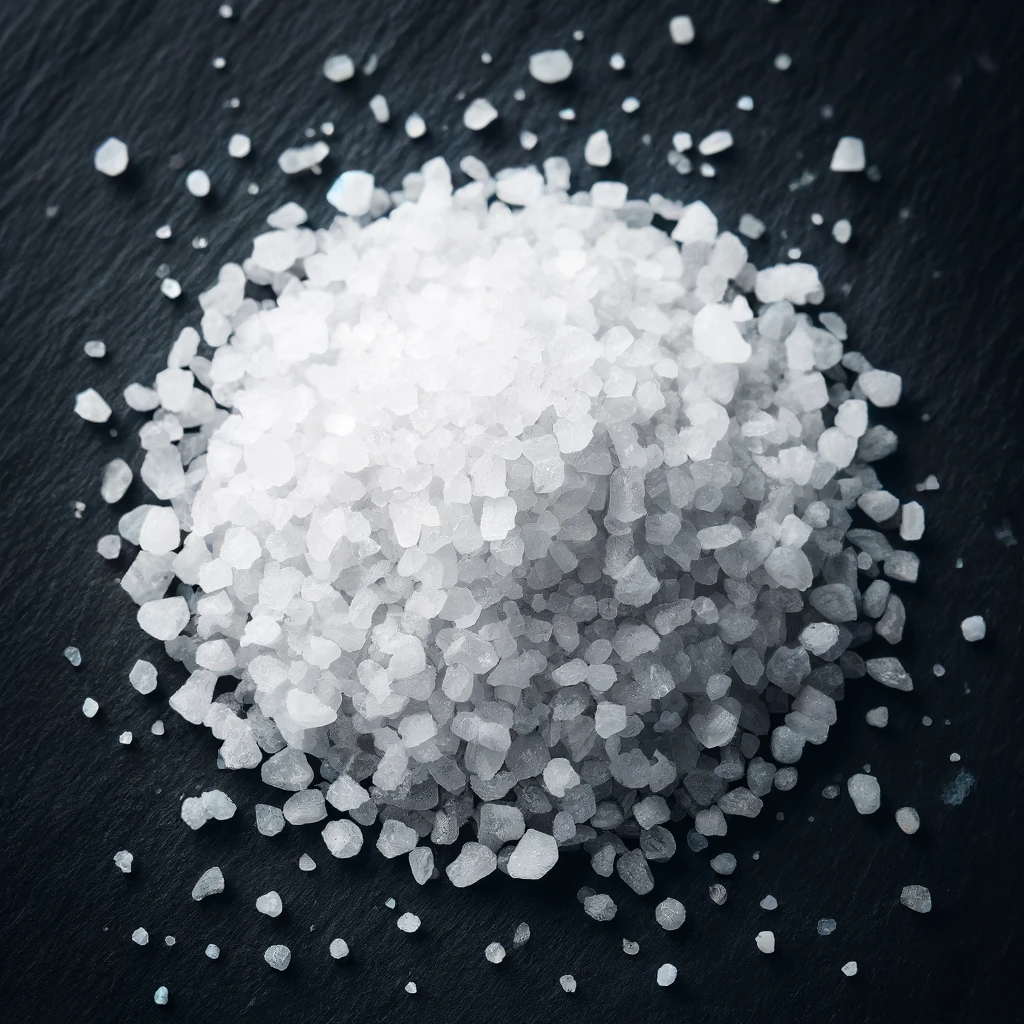
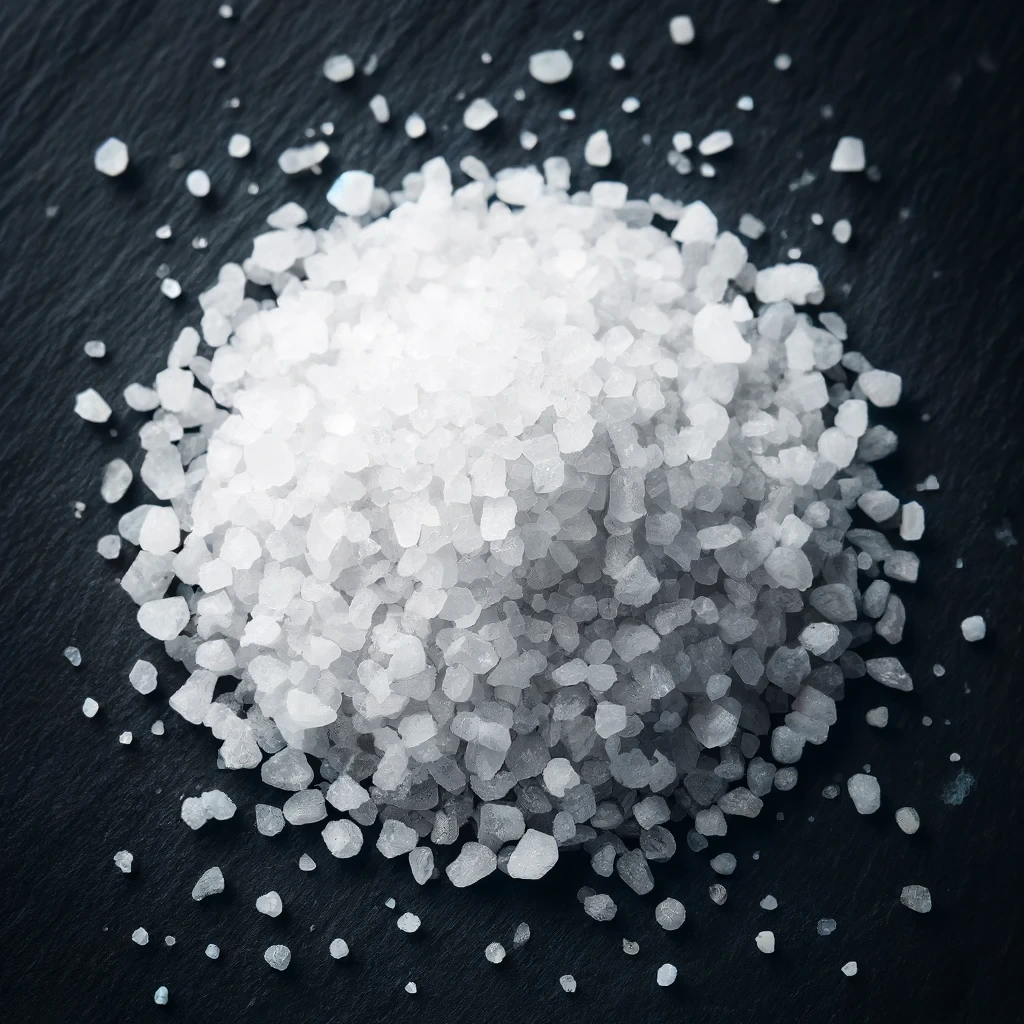
Salt is one of the most basic seasonings you can find on our tables. Responsible for the ‘salty’ side of sweet and salty flavors, it plays a huge role in balancing the taste of our food, and it’s safe to say almost every dish uses it for seasoning. Today, let’s take a closer look at salt, especially the common misconceptions and truths about it.
Ingredients of Salt
- Sodium chloride (NaCl): The primary component of salt; in general, salt contains more than 98% sodium chloride.
- Minerals and trace elements: Certain types of salt, such as sea salt or Himalayan pink salt, may also include small amounts of minerals and trace elements like calcium, magnesium, potassium, iron, and zinc.
Benefits of Salt
- Maintaining fluid balance: Sodium is essential for keeping your body’s fluid balance in check.
- Nerve and muscle function: Sodium plays a crucial role in nerve transmission and muscle contraction.
- Aiding digestion: Salt helps produce hydrochloric acid, the main component of stomach acid, which aids digestion.
Salt: Myths and Truths
- Myth: Salt is generally bad for your health.
- Truth: Salt is essential for health when consumed in moderation. However, excessive consumption can cause health problems.
- Myth: All salt is the same.
- Truth: Refined table salt differs from sea salt or rock salt in terms of composition and mineral content. Natural salts may contain more minerals, though sodium content is similar.
- Myth: Low-sodium salt is healthier.
- Truth: Low-sodium salt contains less sodium and may be high in potassium, making it helpful for those with high blood pressure. However, it is not suitable for everyone, and people with kidney disease should monitor potassium intake.
- Myth: Completely cutting out salt will make you healthier.
- Truth: Sodium is vital for life, so consuming too little can also cause issues. Excessive restriction of sodium intake can lead to hyponatremia.
Some people say we should avoid salt entirely, but salt actually plays a very important role in our health. Of course, eating too much isn’t good. Boosting salt content in an ordinary meal is generally not a major problem. However, excessive intake can raise the risks of high blood pressure, heart disease, and kidney disease. For adults, it’s recommended to keep sodium intake below 2,300mg per day, so keep this in mind as you plan your diet.
