Ready to take control of your health? Try our AI-powered diagnosis today!
Experience Doctor AI: Instantly Diagnose Your Health—Try the App Now!
Hello^^
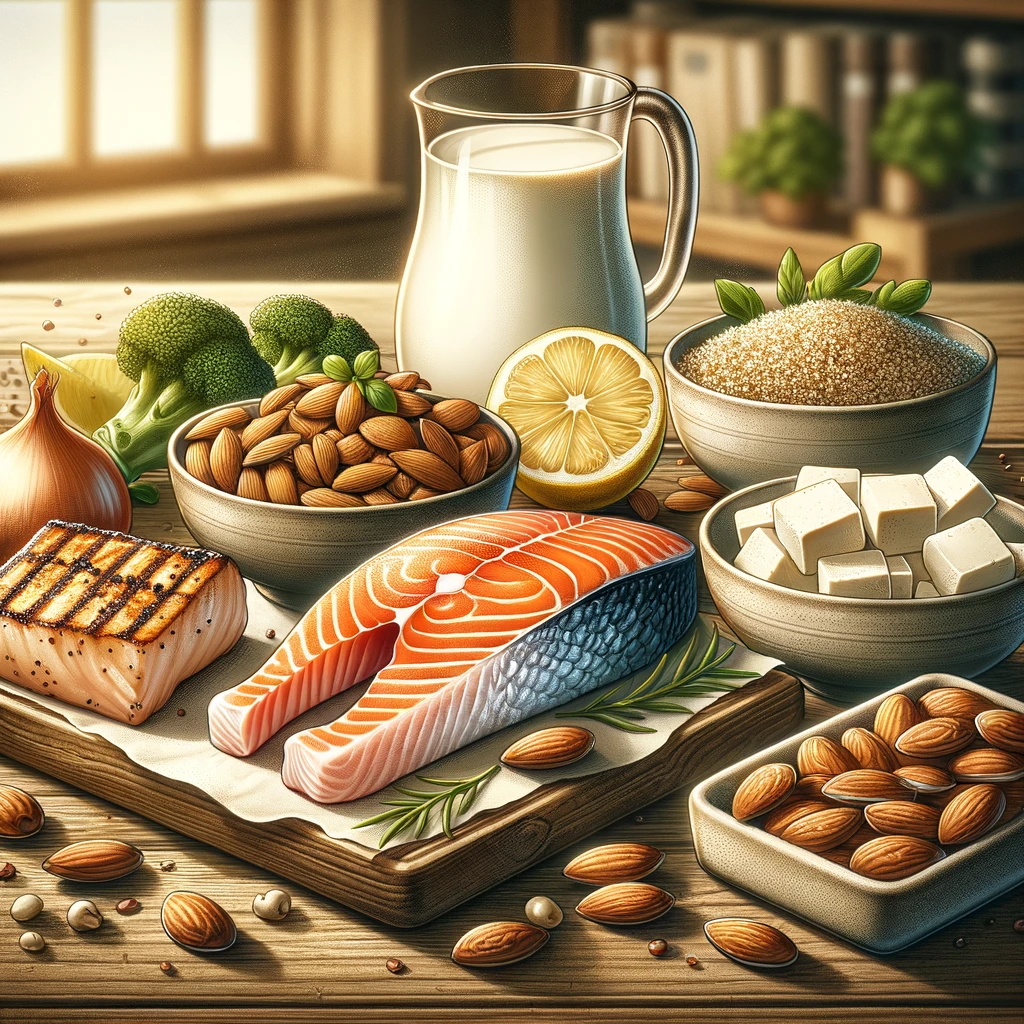
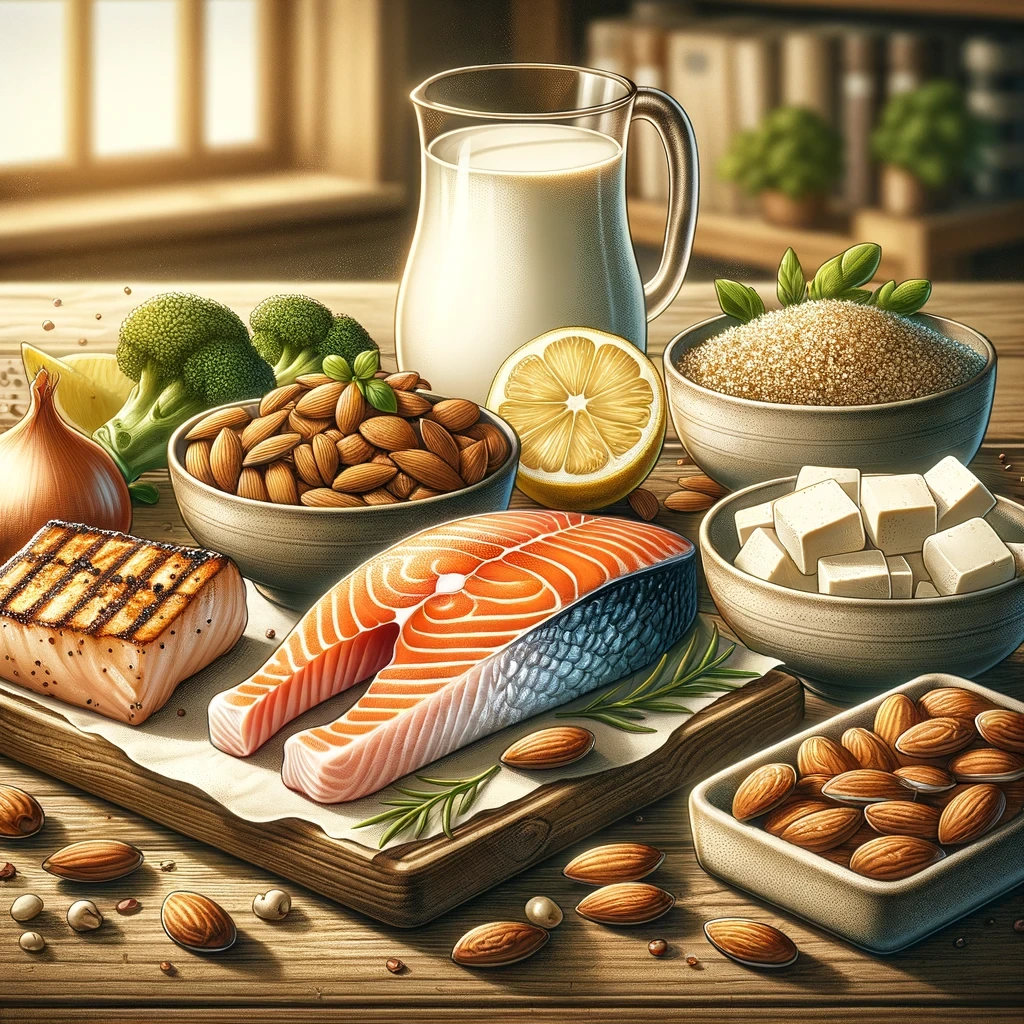
Protein, just like carbohydrates and fats, is one of the essential nutrients that our bodies can't do without. It plays a particularly important role in muscle growth—the reason why chicken breast, a favorite for those dieting or building muscle, is packed with protein. In addition to meat and fish, most people know that tofu and other soy products are excellent protein sources as well.
While protein is crucial for muscle growth, it also serves many other functions in our bodies. In this post, we’ll look at the components and benefits of protein, as well as how both insufficient and excessive intake can affect you.
Proteins are made up of 20 types of amino acids. Nine of these are essential amino acids, meaning they cannot be synthesized by our bodies and must be obtained through food. The remaining eleven are non-essential amino acids, which our bodies can produce on their own.
Benefits of Protein
- Muscle Growth and Repair: Protein is essential for repairing damaged muscles after exercise and for building new muscle tissue.
- Hormone and Enzyme Production: It is needed for producing hormones and for facilitating various biochemical reactions.
- Supports Immune Function: Antibodies are made up of protein and play a vital role in immune responses.
- Energy Source: After carbohydrates and fats, protein can be used as an energy source by the body.
Reactions to Protein Deficiency
When you don’t consume enough protein, you may experience the following symptoms:
- Loss of Muscle Mass: Muscles can weaken and decrease in size.
- Weakened Immunity: You may become more susceptible to infections.
- Growth Impairment: Especially in children, lack of protein can hinder normal growth and development.
- General Fatigue: Not enough energy is produced, leaving you feeling tired and sluggish.
Reactions to Excess Protein Intake
On the other hand, consuming too much protein can also lead to the following problems:
- Kidney Issues: Chronic excessive protein intake can place stress on the kidneys.
- Dehydration: More water may be needed by the body to process the nitrogen waste produced during protein metabolism.
- Weight Gain: Excess protein can be stored in the body as fat.
- Calcium Loss: A high-protein diet may increase calcium excretion, potentially affecting bone health in the long term.
Protein intake is an important part of a balanced diet, but the amount you need depends on your age, gender, activity level, and health status. Consuming too much protein in hopes of building more muscle after a workout can actually harm your health. It’s best to eat the appropriate amount and, since the body can only absorb a limited amount of protein at one time, to split your intake throughout the day.